
led mirror suppliers
Understanding Hydraulic Ball Check Valves Key Components and Applications Hydraulic systems are integral to a multitude of industrial processes, from manufacturing to construction. One critical component often utilized in these systems is the hydraulic ball check valve. This article delves into the specifics of hydraulic ball check valves, exploring their design, functionality, advantages, and various applications. What is a Hydraulic Ball Check Valve? A hydraulic ball check valve is a mechanical device used to prevent backflow in hydraulic systems. It is designed to allow fluid to flow in one direction while blocking it from flowing in the opposite direction. The heart of the valve is a sphere, traditionally made of steel or plastic, which moves up and down within a cylindrical housing. When fluid flows in the intended direction, the ball is pushed away from the valve seat, allowing fluid to pass through. If the flow reverses, the ball is pushed back against the seat, creating a seal that prevents backflow. Design and Construction The construction of a hydraulic ball check valve typically comprises a valve body, a ball (the closure element), and a spring (which may or may not be present depending on the valve design). The valve body is usually made from durable materials such as brass, stainless steel, or thermoplastics, ensuring compatibility with various fluids and operating conditions. The ball itself is engineered to fit precisely in the valve seat, allowing for a close seal when the valve is closed. This design minimizes leakage and maximizes efficiency. Moreover, the size of the valve—like the diameter of the opening—affects flow rates and pressure drops, necessitating careful selection based on the specific hydraulic application. Functionality of Hydraulic Ball Check Valves The primary function of a hydraulic ball check valve is to prevent backflow, which can lead to system failures, contamination of fluids, or damage to equipment. Backflow can occur for various reasons, such as equipment shutdowns, gravitational forces, or sudden changes in pressure. By ensuring unidirectional flow, ball check valves enhance the overall reliability of hydraulic systems. These valves are typically installed in pipelines, pumps, or near accumulators, where they can effectively manage fluid dynamics. They are especially valued in systems where pressure fluctuations are common, as they can quickly respond to changes, maintaining system integrity. Advantages of Hydraulic Ball Check Valves hydraulic ball check valve One of the significant advantages of hydraulic ball check valves is their simple design, which allows for easy installation and maintenance. Unlike other check valve designs, such as swing or diaphragm check valves, ball check valves have fewer moving parts, reducing the likelihood of mechanical failure. The ball's action is swift and self-activating, requiring no external power to function. This self-regulating feature is especially beneficial in applications where reliability is paramount. Additionally, ball check valves offer low flow resistance, which means they do not significantly impede the passage of fluid. This characteristic is crucial in hydraulic systems that require efficient fluid transfer for optimal performance. Applications of Hydraulic Ball Check Valves Hydraulic ball check valves are utilized across various industries due to their reliability and effectiveness. Common applications include 1. Hydraulic Systems They are essential in hydraulic power units, ensuring that hydraulic fluid flows to actuators without backflow that might disrupt operations. 2. Water and Wastewater Management In water treatment plants, these valves prevent backflow, safeguarding the quality of treated water. 3. Aerospace and Automotive Hydraulic systems in aircraft and vehicles employ ball check valves to maintain safe and efficient fluid operations. 4. Manufacturing Many manufacturing processes that employ hydraulic machinery utilize ball check valves to control fluid flow and maintain pressure. Conclusion In conclusion, hydraulic ball check valves are vital components in modern hydraulic systems, providing a straightforward yet effective solution to prevent backflow. Their design, functionality, and advantages make them a preferred choice in numerous applications across various industries. As technology continues to advance, the demand for such reliable components is likely to grow, ensuring the continued efficiency and safety of hydraulic operations. Understanding the operation and benefits of hydraulic ball check valves is essential for engineers and technicians involved in fluid dynamics, ultimately contributing to the enhancement of hydraulic system performance.
about
led mirror suppliers
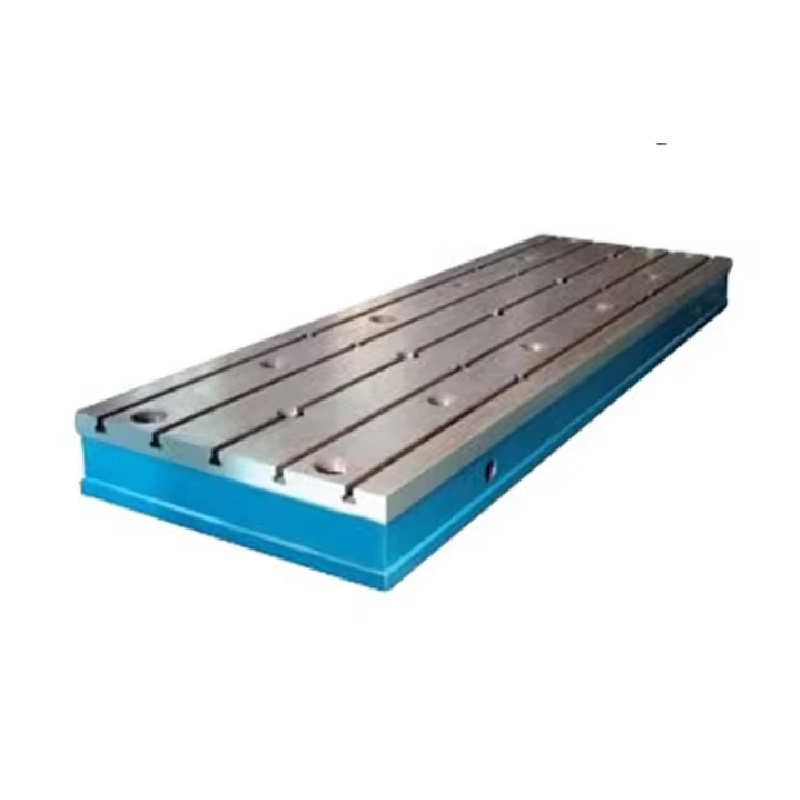
Precision in 3D Welding Tables Enhancing Fabrication Processes In the world of fabrication and manufacturing, precision is the cornerstone that dictates the quality and reliability of the final product. This is particularly true in the realm of 3D welding tables, where the accuracy of assembly plays a crucial role in determining both the efficiency of the process and the quality of the welded components. As industries continue to embrace advanced technologies and automation, the need for precision in 3D welding tables becomes more pronounced, affecting everything from design to production. Understanding 3D Welding Tables A 3D welding table is a specialized fixture designed to hold and align workpieces during the welding process. These tables are equipped with a rigid structure that provides stability and reduces distortion caused by heat during welding. The incorporation of adjustable components allows for versatile configurations, accommodating various shapes and sizes of materials. For industries such as aerospace, automotive, and construction, where precision is non-negotiable, the ability to easily adapt the welding table to different projects is invaluable. The Importance of Precision Precision in 3D welding tables ensures that each component is accurately positioned before the welding process begins . This accuracy is vital for several reasons 1. Reduction in Rework and Waste When components are precisely aligned, the likelihood of misalignment during welding is significantly reduced. This minimizes the risk of defects that could necessitate rework or lead to scrap, ultimately saving both time and materials. 2. Enhanced Quality Control Consistency is key in manufacturing. A precision 3D welding table enhances quality control by ensuring that each weld is made under the same conditions. This standardization leads to predictable results across batches, which is crucial for meeting industry quality standards. precision 3d welding table 3. Improved Structural Integrity Proper alignment during welding contributes to the overall strength and durability of the welded assembly. Precision tables help achieve even heat distribution, which is essential in preventing warping and ensuring the mechanical properties of the materials are retained. 4. Increased Workflow Efficiency With a precision 3D welding table, operators can spend less time on setup and adjustments. The convenience of predefined settings allows for rapid transitions between projects, maximizing productivity without sacrificing quality. Technological Advancements in Welding Tables The evolution of technology has significantly impacted the design and functionality of 3D welding tables. Modern tables often incorporate features such as digital measuring instruments, automated adjustment mechanisms, and CAD/CAM integration. These advancements enable welders to achieve greater accuracy in less time, making the welding process more efficient. Moreover, the incorporation of smart technology allows for real-time monitoring and data collection. Operators can analyze performance metrics and make informed decisions to optimize the welding process. This level of precision not only improves the quality of the welds but also provides valuable insights that can drive continuous improvement in manufacturing practices. Conclusion In conclusion, precision in 3D welding tables is essential for enhancing fabrication processes across various industries. The ability to maintain accuracy during the welding process directly influences the quality of the final product, the efficiency of production, and the overall robustness of the assembly. As technology continues to advance, the integration of smart solutions and automated systems will further elevate the standards for precision in welding. Investing in precision 3D welding tables is not merely an option; it is a necessity for any organization committed to delivering high-quality, reliable, and durable products. Embracing precision will not only ensure compliance with industry standards but also foster innovation and competitiveness in a rapidly evolving market.
-

High quality industrial productsagement

High quality industrial products
View Details -

Meet the diverse needs of customers

Meet the diverse needs of customers
View Details -

Strict quality control

Strict quality control
View Details -

Top raw materials

Top raw materials
View Details -

Trusted supplier

Trusted supplier
View Details
Our application

news and information

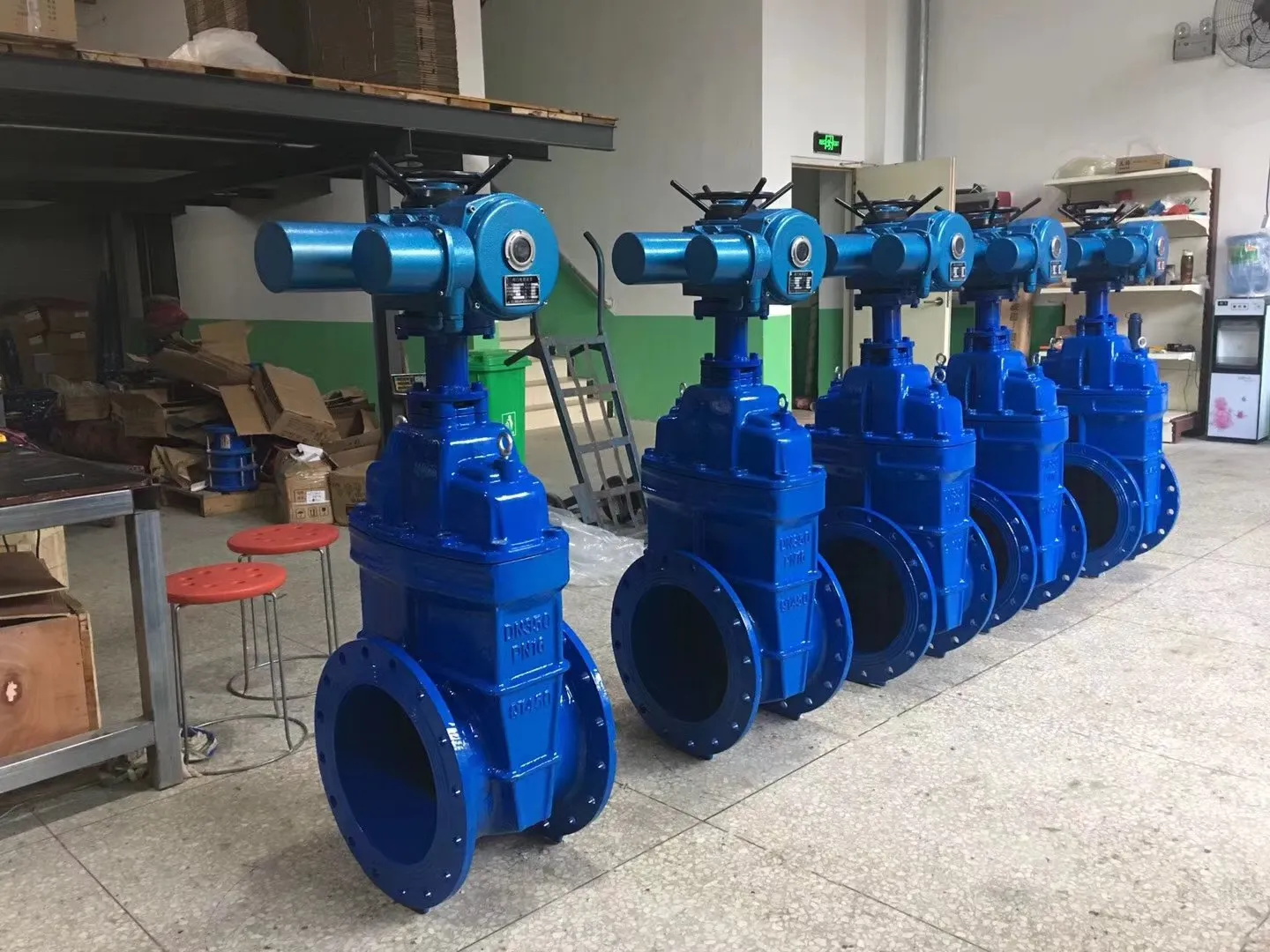
Y-Type Strainer for Efficient Filtration in Cast Iron Applications
cast iron y type strainer .

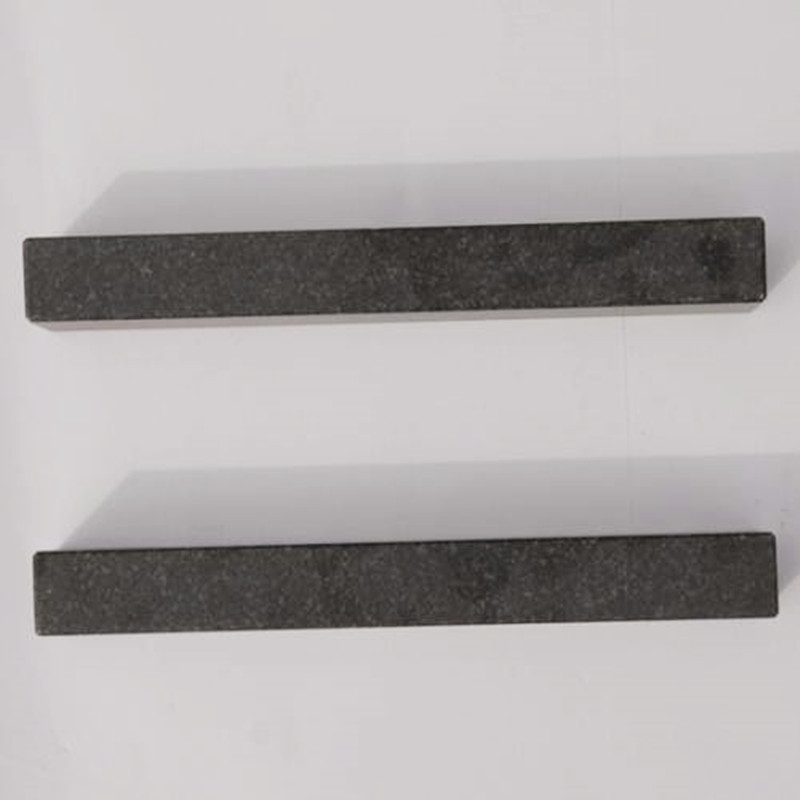
Versatile Granite Square Ruler for Precision Measuring and Construction Tasks
The granite square ruler, often celebrated as a pivotal tool in precision measurement and classical
water valve key types
Understanding Water Valve Key Types Water valves are essential components in various plumbing system
 English